
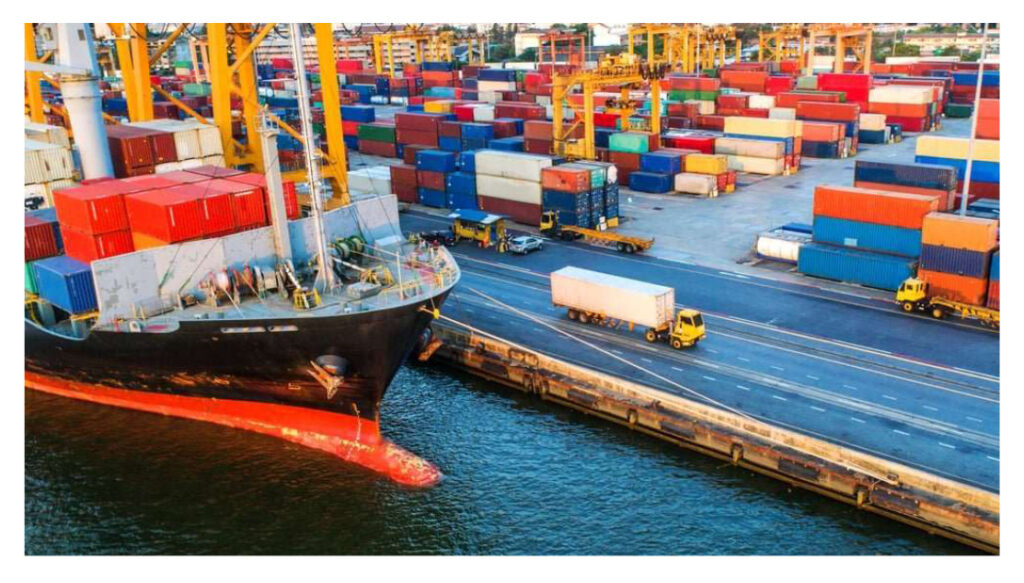
The lower availability of containers across the World has caused concern in the industry with the upcoming peak season that is expected, meaning an increased need for containers should be able to keep up with an increasing demand for cargo and goods shipped from the region.
In recent study, “All containers are very much in need; they still spend on average 45 days empty at depots,” says the report, which surprisingly suggests that areas which suffer from shortages have higher dwell times. “Especially in regions with low container availability such as China and the US, the average is comparably high, with 61 and 66 days respectively, compared with the global average of 45 days,” notes the report. While in early September containers of all sizes were in short supply — 20-foot, 40-foot, and 40-foot high-cube — Container xChange said its data indicated the shortages now appeared to be more acute among 20-foot boxes, with 40-foot high-cubes increasing in availability at port hubs.
Due to restrictions on the movement or handling/unloading of containers of ‘non-essential’ goods, the number of empty containers available to exporters of ‘essential’ goods is dwindling. If this continues, sooner or later, it will result in a halt in all container trade due to non availability of empty containers.
This impact of the coronavirus health crisis is a sharp hit to global container volumes and carrier earnings. Which is a very real and major concern and the lack of container export shipments during the COVID-19 outbreak further exacerbated this problem.
This had severe and containers shipped. Container shipping lines have learned the hard way to expect the unexpected. Whether it is trade wars, major port lock downs or new viruses, dealing with disruption has become the new normal.
So far the impact of coronavirus (COVID-19) on container shipping has just about been bearable, but the longer and more widespread the outbreak goes the more shortage it will cause.

The effect on freight rates
The lack of available containers, along with the low number of ship departures will inevitably result in increases in freight rates and the overall transport costs. This is already obvious to the markets which have begun to anticipate the phenomenon.
Conclusion
The impacts of such container imbalances will continue to be felt, even as economies strengthen and reinvigorate the supply chain. As backhaul (export) demand increases, for example, the current high levels of blank sailings may mean there is not sufficient vessel space or container equipment for backhaul (export) containers, and as such imbalances in containers and available vessels will continue to be present. Based on the current economic positions, it seems the global maritime supply chain is in for stormy weather in the months to come.